

Movement becomes language when the body speaks with intention
Physical theater training for performers who understand that technique serves expression, not the other way around. This is where presence, precision, and storytelling converge.
Rooted in current practice
Training reflects how physical theater is performed today—not theory from decades past. Techniques adapt to contemporary staging, ensemble dynamics, and audience expectations.
Led by working artists
Instructors perform regularly and bring recent stage experience into every session. They know what works under pressure because they live it.
Connected to the field
The program maintains ties with active companies, festivals, and collaborative projects. What you learn here has immediate relevance beyond the virtual classroom.
What the investment involves
Training requires commitment—both in time and resources. Here's what participants can expect when they join.
Time allocation
Live sessions run twice weekly for 90 minutes each. Expect another 3-4 hours of independent practice between sessions.
The full program spans 12 weeks with optional continuation pathways available.
Financial structure
Tuition covers all live instruction, recorded session access, and feedback on submitted work.
Payment plans spread the cost across the program duration. No hidden fees or upsells.
Space and equipment
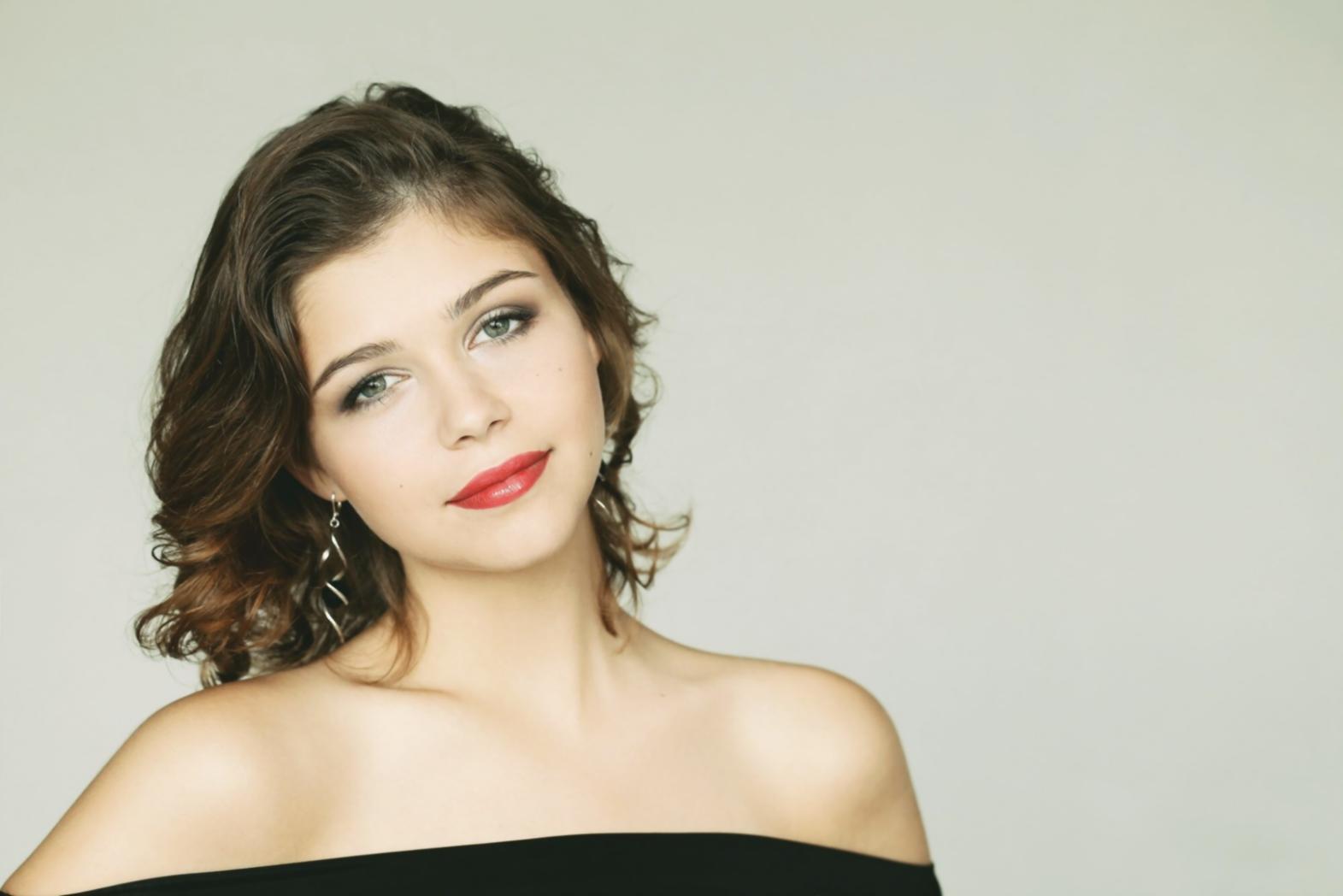
You'll need a clear floor area of at least 3x3 meters, stable internet, and a camera that captures full-body movement. Minimal props—most work uses only the body.
This works best when certain conditions are met
You already have some movement training—dance, mime, martial arts, or similar disciplines. Absolute beginners often struggle with the pace.
You're willing to be seen and receive direct feedback. Progress depends on visibility and correction, not passive observation.
You can commit to the schedule. Missing sessions creates gaps that compound quickly in movement-based learning.
You have performance goals beyond personal enrichment. The training is designed for those building toward stage work or teaching.
Can online training really develop physical skills?
This is the most common hesitation, and it's worth addressing directly. Virtual instruction has real limitations—no one can adjust your posture through a screen or catch you mid-fall.
But the core of physical theater isn't about perfect form. It's about expressive clarity, spatial awareness, and the ability to communicate meaning through movement. Those skills develop through observation, repetition, and feedback—all of which translate effectively online.
Participants often report that the camera forces a different kind of precision. You can't hide sloppy transitions or unclear gestures when every detail is visible in close-up.
The format works because it emphasizes what matters most: intention, rhythm, and the relationship between body and space. Technical refinement comes later, often in person. But the conceptual foundation—the part that shapes how you think about movement—builds just as well remotely.
What remains after the program ends
Immediate skills fade without practice. What lasts is the shift in how you perceive and use your body as a performance instrument.
A reliable process for devising
You'll have a repeatable method for generating movement sequences from concept to execution. This becomes your toolkit for future projects.
Practical method
Vocabulary for collaboration
Shared language with other trained performers makes ensemble work more efficient. You'll recognize references and respond to direction faster.
Professional fluency
Capacity to teach others
Understanding how movements build from simple to complex lets you guide less experienced performers. Many graduates transition into workshop facilitation.
Teaching foundation